Ever picked up a soda can and wondered why it fits perfectly in your hand? Or why every vending machine seems designed for that exact size? Soda can dimensions aren’t random. They’re carefully planned measurements that affect everything from shipping costs to how cold your drink gets.
This guide breaks down standard soda can sizes, measurements, and why these aluminum containers look the way they do.
Why Soda Can Dimensions Matter
Think about your car’s cup holder. It holds a 12 oz soda can perfectly, right? That’s not luck. Standard soda can size measurements make life easier in surprising ways.
Manufacturers save millions by using consistent dimensions. Trucks carry more cans. Vending machines work smoothly. Your fridge shelves hold exactly the right amount. Even recycling gets simpler when aluminum can dimensions stay uniform.
Portion control matters too. An 8 oz can helps people watch calories. A 16 oz can satisfies bigger thirsts. The typical soda can volume you choose affects your health goals and wallet.
Here’s what consistent soda can measurements give us:
- Perfect fit in cup holders and backpack pockets
- Faster cooling times in fridges
- Easier stacking and storage at home
- Lower shipping costs (passed to consumers)
- Simplified recycling programs nationwide
Common Uses of Soda Cans
Soft drink cans pop up everywhere in American life. Vending machines at work. Gas station coolers. Baseball games and backyard barbecues. The lightweight aluminum can design makes them ideal for on-the-go drinking.
Restaurants use them for takeout orders. Campers love them because they’re unbreakable. Concert venues prefer them over glass for safety. Even craft lovers repurpose empty cans into planters and pencil holders.
The cylinder shape soda can design stacks beautifully. Twenty cans fit neatly in a fridge door. Boxes of 24 cans ship efficiently. That familiar shape just works.
Standard Soda Can Sizes
Walk into any American store and you’ll see three main beverage can sizes. Each serves different needs and preferences.
12 oz (355 mL) Soda Can Dimensions
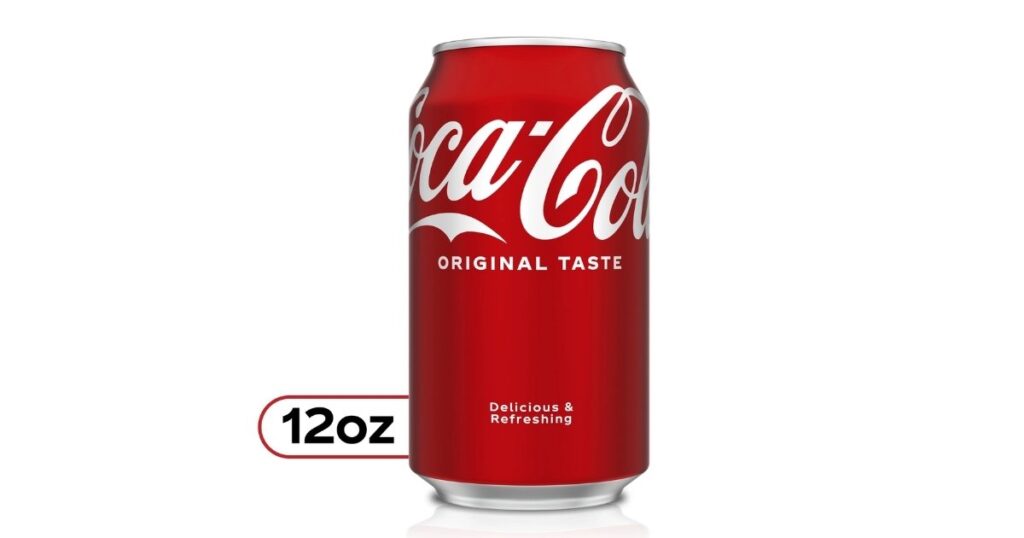
This is America’s favorite standard drink can. A typical 12 oz (355 mL) soda can in North America measures approximately 4.83 inches (12.3 cm) in height and has a body diameter of about 2.6 inches (6.6 cm). The lid is slightly smaller, around 2.13 inches (5.4 cm), designed for a snug fit and comfortable handling.
Key measurements:
| Measurement | Inches | Centimeters |
| Height | 4.83 | 12.3 |
| Body Diameter | 2.6 | 6.6 |
| Lid Diameter | 2.13 | 5.4 |
| Weight (empty) | 0.5 oz | 14-15 grams |
These dimensions balance material efficiency, stability, and ease of grip for everyday use. The can design and capacity creates the perfect single serving.
8 oz (237 mL) Soda Can Dimensions
Slim 250 mL (8.4 oz) cans are narrower, about 2.09 inches in diameter, and shorter in height, offering a sleeker design. These mini cans help with calorie counting. Parents buy them for kids. They cost more per ounce but waste less.
The slim can size stands around 3.5 to 4 inches tall. The narrower can circumference and height fits smaller hands better. You’ll find these in variety packs and upscale grocery stores.
16 oz (473 mL) Soda Can Dimensions
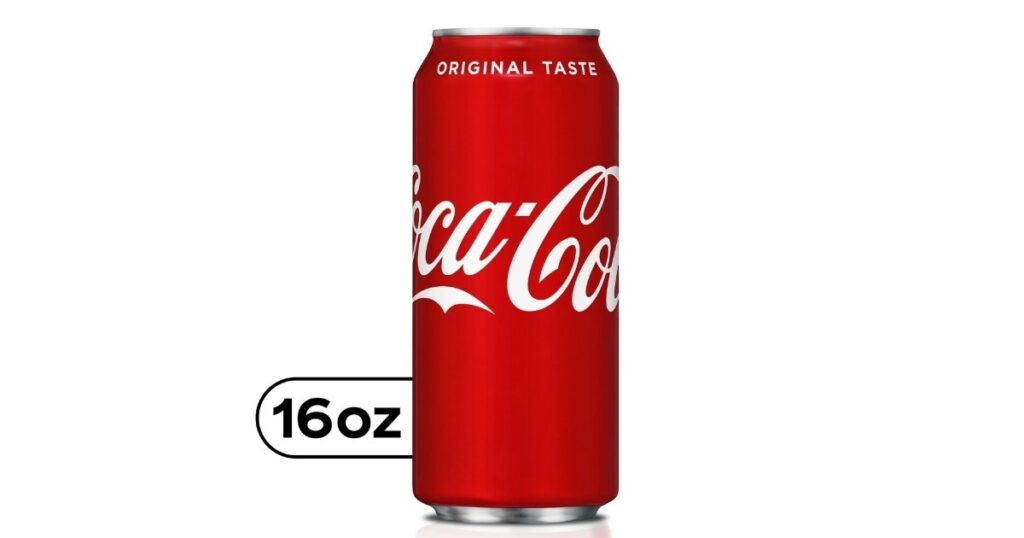
Larger 16 oz (473 mL) cans are taller at around 6.19 inches, while keeping the same 2.6-inch diameter. People call them “tallboys.” Energy drink fans love this size.
The extra height adds volume without changing the base. Your cup holder still works. The soda can height and diameter ratio keeps the can stable and easy to grip.
24 oz (710 mL) and 32 oz (946 mL) Can Dimensions
Gas stations stock these giants. A 24 oz can reaches about 7.5 inches tall. The massive 32 oz can stretches past 8.5 inches. These aren’t for casual sipping.
The can capacity nearly equals a full liter bottle. But they’re harder to carry and don’t fit standard cup holders well.
Detailed Measurements of Soda Cans
Height of Soda Cans
Soda can measurements in mm/cm vary by size. The standard 12 oz can at 122.7 mm became the industry baseline. Taller cans hold more liquid. Shorter cans appeal to portion-conscious buyers.
| Size | Height (inches) | Height (mm) |
| 8 oz | 3.5-4.0 | 89-102 |
| 12 oz | 4.83 | 122.7 |
| 16 oz | 6.19 | 157.2 |
| 24 oz | 7.5 | 190.5 |
Diameter of Soda Cans
Most cans share that 2.6-inch (66 mm) body diameter. This standard soda can size measurement fits cup holders designed since the 1980s. Slim cans buck the trend at 2.09 inches.
The top diameter measures smaller than the body. This creates a comfortable drinking surface and uses less aluminum on the lid.
Volume in Milliliters and Ounces
Fluid ounces in a can translate to milliliters for international markets. A 12 oz can holds 355 mL. But cans aren’t filled completely. Headspace at the top allows for carbonation expansion.
Quick conversion guide:
- 8 oz = 237 mL
- 12 oz = 355 mL
- 16 oz = 473 mL
- 24 oz = 710 mL
Weight of Standard Soda Cans
An empty aluminum can weighs surprisingly little. Modern 12 oz cans weigh just half an ounce empty. Add soda and the total reaches about 13 ounces.
Manufacturers shaved weight over decades. Less aluminum means lower costs and smaller environmental impact. But the cans still hold pressure safely.
Materials and Design of Soda Cans
Aluminum Cans vs. Steel Cans
Steel cans dominated until the 1970s. They were heavy, rusted easily, and needed can openers. Aluminum can dimensions stayed similar but the material changed everything.
Aluminum doesn’t rust. It weighs less. It keeps drinks tasting fresh without metallic flavors. And it recycles infinitely without losing quality.
Cylindrical Shape and Its Advantages
The cylinder shape soda can isn’t just tradition. Physics makes cylinders ideal for pressurized liquids. Carbonation pushes equally on all sides. The round shape distributes stress evenly.
Rectangle cans would waste material. Corners would weaken under pressure. The soda can ergonomics of a cylinder feel natural in your hand too.
Labeling and Branding on Soda Cans
Companies print directly on aluminum now. No paper labels needed. The soda can packaging becomes a 360-degree billboard. Limited edition designs turn cans into collectibles.
Nutritional facts, barcodes, and recycling symbols all fit on the curved surface. Bright colors and bold text grab attention on store shelves.
Comparing Soda Cans to Other Beverage Containers
Soda Can vs. Beer Bottle
Glass bottles stand 9 inches tall and weigh more. Cans cool faster because aluminum conducts heat better. Bottles reseal but cans eliminate light exposure completely.
US vs international soda can sizes match beer standards. That 12 oz serving satisfies both markets.
Soda Can vs. Water Bottle
Plastic bottles reseal for gradual drinking. But how much soda fits in a can equals typical water bottle sizes. Cans recycle at higher rates than plastic nationwide.
Single-serve cans beat bottles for immediate consumption. Bottles win for all-day hydration.
Soda Can vs. Juice Carton
Cartons pour into glasses easily. They come in family sizes. But cans offer portion control and individual servings. Each container serves different purposes.
Recycling and Sustainability of Soda Cans
How Soda Cans Are Recycled
Your empty can returns to store shelves in just 60 days. Collection trucks bring cans to sorting facilities. Machines shred them into small pieces. Furnaces melt the aluminum into liquid.
The molten metal forms into sheets. Rolling machines create coils. Can makers stamp out new containers. The cycle repeats endlessly.
Environmental Benefits of Aluminum Cans
Recycling saves 95% of the energy needed for new aluminum. One recycled can powers your TV for three hours. America recycles 73% of aluminum cans annually.
Unlike plastic, aluminum recycles forever without quality loss. The same atoms get reused hundreds of times.
Reuse and Repurposing Ideas
Don’t toss those empties just yet. Creative folks make:
- Desk organizers and pencil holders
- Garden planters for herbs and flowers
- Holiday ornaments and wind chimes
- Camping stoves and candle holders
- Bird feeders for backyard wildlife
Just smooth any sharp edges first. Your imagination sets the limits.
Fun Facts About Soda Can Sizes
Largest Soda Cans in the Market
Some novelty cans reach 128 ounces (one full gallon). Gas stations sell 32 oz “crowlers” for serious thirst. Collectors hunt limited edition giant cans.
Smallest Soda Cans and Mini Sizes
Japan sells 6 oz cans barely bigger than your palm. American 7.5 oz mini cans work perfectly as cocktail mixers. Airlines serve these tiny cans in first class.
Unique Shapes and Specialty Cans
Some brands tried bottle-shaped aluminum cans. Others added resealable tops. Square cans failed because they didn’t stack well. Most innovations return to the classic cylinder.
Frequently Ask Questions
What are the standard dimensions of a soda can?
A standard 12 oz soda can measures 4.83 inches tall with a 2.6 inch diameter for optimal handling.
How many ounces are in a standard soda can?
A standard soda can holds 12 fluid ounces, which equals 355 milliliters in the metric system used globally.
Are soda can sizes different in other countries?
Yes, international soda cans vary. Europe uses 330 mL cans while Asia offers smaller 250 mL slim options.
Conclusion
Soda can dimensions represent decades of engineering refinement. The standard 12 oz can balances portability, cost, and consumer preference perfectly. Whether you prefer an 8 oz mini or a 16 oz tallboy, each size serves specific needs.
nderstanding these measurements helps you make smarter buying choices and appreciate the science behind everyday objects. Next time you crack open a cold one, you’ll know exactly why it feels just right in your hand.