Ever needed to measure something but couldn’t find a ruler? You’re not alone. Most of us have been there, trying to figure out how long is 4 inches using whatever’s in our pockets or on our desk.
Four inches equals 10.16 centimeters, or about one-third of a foot if you want the quick math. It’s that sweet spot size that pops up everywhere in daily life, from the stuff in your wallet to things scattered around your kitchen. Think of it as the length of your average smartphone screen or roughly the width of your palm. Once you know what 4 inches looks like in real life, you’ll spot it everywhere and never need a tape measure for quick checks again.
How Long Is 4 Inches?
Let’s break down this four inches measurement in ways that actually make sense. In the metric measurement world, 4 inches converts to exactly 10.16 centimeters or 101.6 millimeters for those who need precision.
When you’re doing inch to centimeter conversion, just remember the magic number is 2.54. That’s how many centimeters fit into one inch. So 4 times 2.54 gives you 10.16 cm. The imperial vs metric measurement debate doesn’t matter much here because both systems agree this is a pretty handy size for everyday stuff.
If you need a quick visual, picture the distance from your wrist bone to the base of your fingers. That’s usually pretty close to 4 inches for most adults. It’s become such a standard unit of measurement that manufacturers use it for tons of products without even thinking about it.
How Big Is 4 Inches in Real Life?
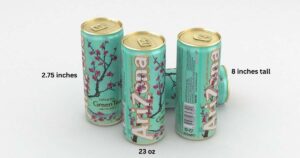
Honestly, 4 inches in real life is smaller than most people guess at first. It’s not tiny like a coin, but it’s definitely not huge either. When someone asks “what does 4 inches look like”, I usually tell them to grab their phone and look at the screen length.
The best way to understand this size comparison in daily life is through stuff you touch every day. Your morning coffee mug is probably about 4 inches tall. That sticky note pad on your desk? Yep, 4 inches on each side. Even the width of a standard light switch plate gets pretty close to this measurement.
Here’s the cool part about visual reference for 4 inches: once you memorize one or two items, you’ll never forget it. Your brain just clicks and suddenly you can estimate sizes without thinking. It’s like learning to eyeball a cup of water or knowing when something weighs about a pound.
Things That Are 4 Inches Long
Here are 15 things that are 4 inches long:
- Standard Playing Card
- Men’s Wallet
- Business Envelope (Short Side)
- Two Credit Card Height
- Four US Quarters Stacked
- Four Paper Clips
- Two Erasers Placed Together
- Average Hand Width
- Popsicle Stick
- Two Golf Tees
- Tennis Ball Diameter
- Baseball Ball
- Toilet Paper Roll Width
- Half of a Standard Brick
- Smartphone Screen Length
1. Standard Playing Card

A standard playing card size is one of the most reliable references you’ll find. These cards measure 3.5 inches in length and 2.5 inches in width, so they’re just slightly under our target.
But here’s the trick: if you add a playing card plus a quarter stacked on top, you hit almost exactly 4 inches. Playing cards work great because they’re standardized worldwide. Whether you’re holding a deck from Vegas or your grandma’s bridge club, the card dimensions stay consistent.
The thickness matters too if you’re stacking them. About 40 playing cards stacked creates a 4-inch height, which is a fun fact but not super practical unless you’re really into card games.
2. Men’s Wallet
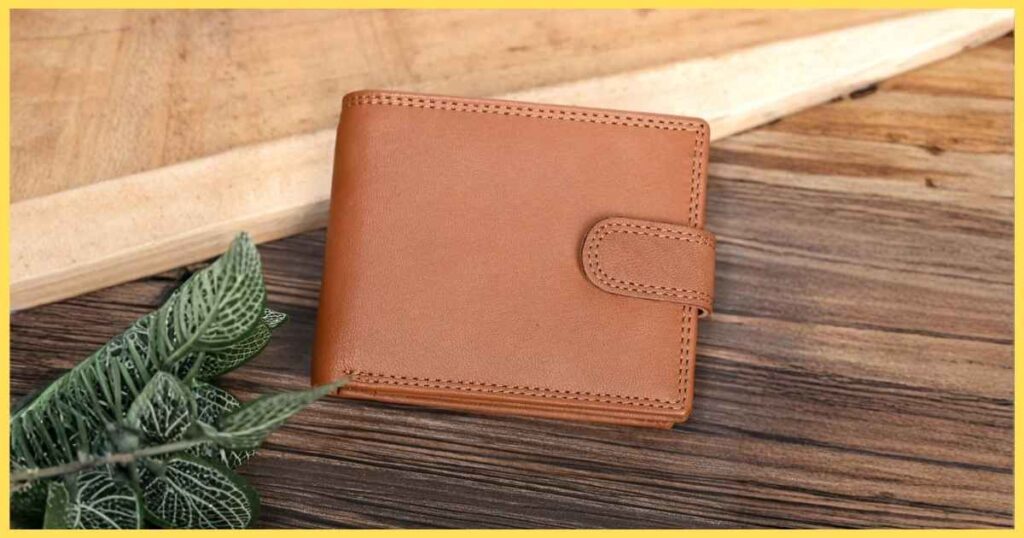
Most men’s wallet size products clock in at about 4.25 inches tall. Close enough for approximate length estimation in most situations where precision isn’t critical.
The typical bifold wallet has been this size forever because it perfectly fits folded bills and standard cards. Manufacturers stick to this dimension because it fits comfortably in back pockets without being too bulky. When you need a visual size comparison guide, your wallet is literally always with you.
Different brands might vary slightly, but the average stays remarkably consistent. Leather wallets, fabric ones, fancy designer pieces, they all hover around this 4-inch sweet spot.
3. Business Envelope (Short Side)

The short side of a business envelope size typically measures 4 to 4.125 inches. These envelopes are designed to hold standard folded business letters perfectly.
If you work in an office or handle mail regularly, you’ve got a pile of these common size objects somewhere. The #10 business envelope is the most common, and its short dimension makes it a solid reference. Just remember you’re measuring the height, not the length of the envelope.
These envelopes became standard because they fit nicely into filing systems and mail sorting machines. That standardization makes them reliable for measuring without a ruler when you’re at your desk.
4. Two Credit Card Height

Here’s where credit card dimensions get interesting for measurements. One card is 2.125 inches wide, so two stacked vertically give you 4.25 inches.
Almost every adult carries at least one credit card, making this one of the most accessible everyday measurement examples. The beauty of credit cards is they’re made to exact ISO standards, so a card from any bank in any country has identical dimensions. Talk about reliable.
Banks and card companies don’t mess around with these measurements because the cards need to fit perfectly in ATMs, card readers, and wallets worldwide. That global standardization makes them perfect objects used for estimation wherever you are.
5. Four US Quarters Stacked
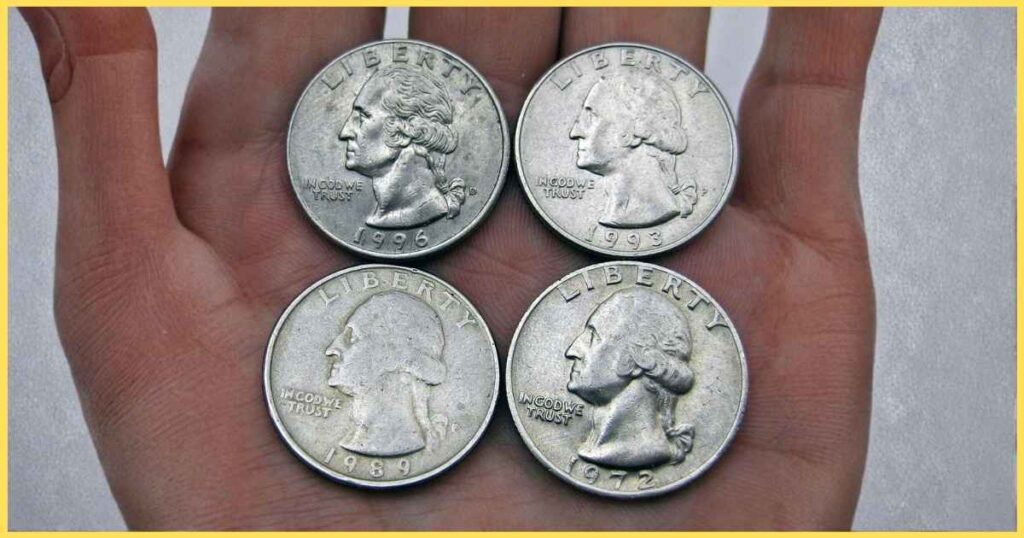
Each US quarter diameter measures 0.955 inches across. Stack four of them vertically and you get 3.82 inches, which is close enough for most practical purposes.
The best part about using quarters for measuring objects without tools? Everyone has spare change somewhere. These coins are minted to exact specifications by the US Treasury, so unlike many items that can vary, quarters are reliably consistent.
Line them up in a row instead of stacking and you get the same result. This works great when you need to check if something is approximately 4 inches but don’t need precision down to the millimeter.
6. Four Paper Clips
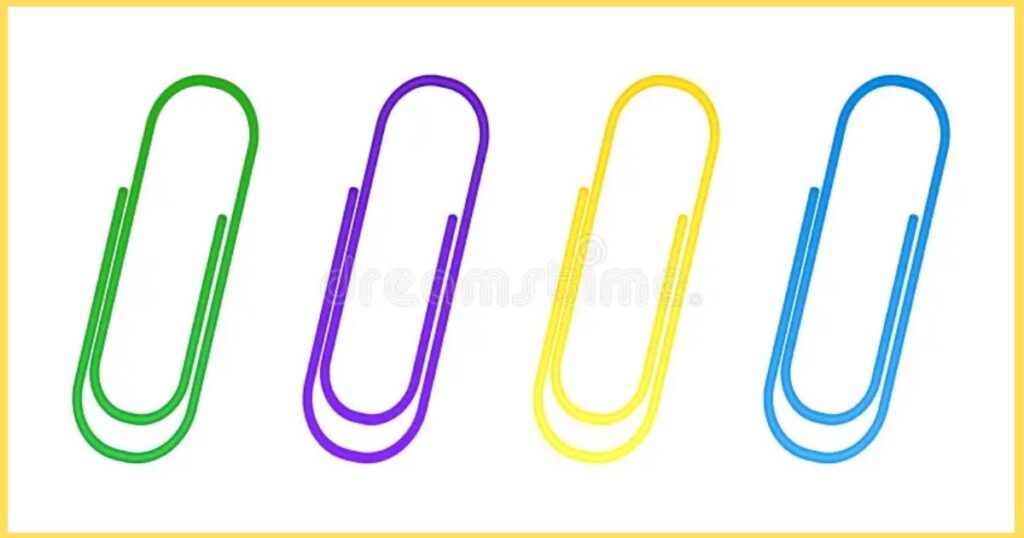
Standard paper clip length is about 1 inch each for the small variety. Line up four end to end and boom, you’ve got your 4 inches right there on your desk.
Paper clips are so common in offices and homes that they make perfect DIY measurement ideas for quick checks. The jumbo clips are typically 2 inches, so you’d only need two of those. Either way works depending on what you’ve got in your desk drawer.
I’ve used this trick dozens of times when hanging pictures or spacing things evenly on a wall. Just string together your clips and you’ve got an instant measuring tool.
7. Two Erasers Placed Together
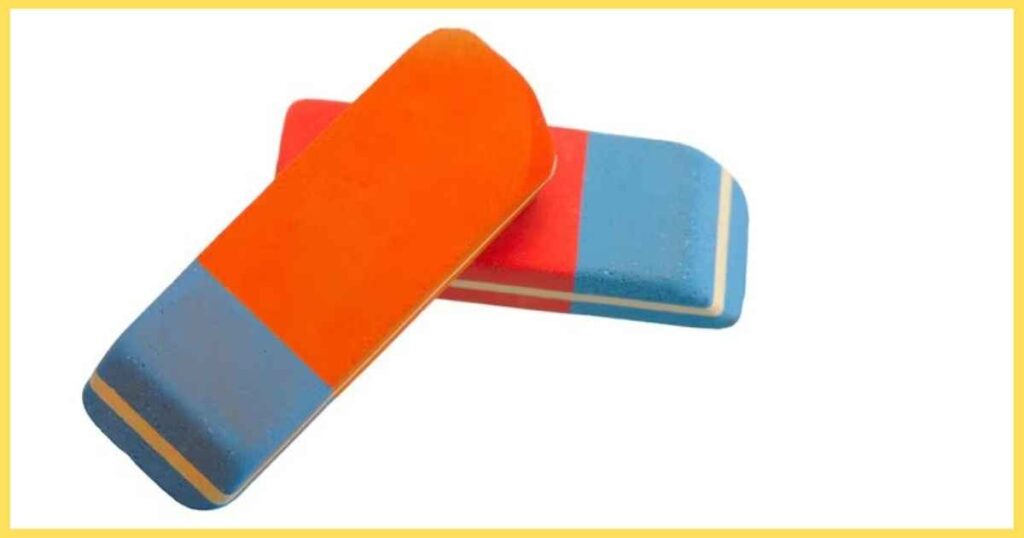
Your typical pink eraser size measures right around 2 inches long. Place two standard rectangular erasers end to end and you hit 4 inches perfectly.
These erasers haven’t changed much in decades, which makes them reliable for small object measurements. Schools buy them by the thousands, offices stock them, and they’re dirt cheap. The pink ones are most consistent in size, while fancy shaped erasers can vary wildly.
Artists and students use this trick all the time for quick sketches and layouts. Two erasers give you that perfect 4 inch size comparison without needing to hunt down actual measuring tools.
8. Average Hand Width
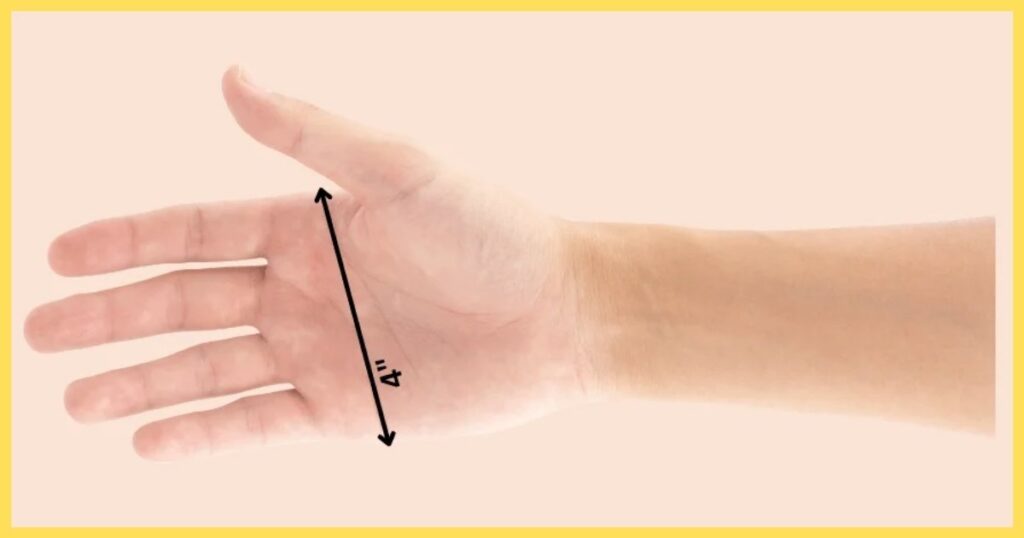
The adult hand width measurement varies more than you’d think. Most adult males have a hand width around 3.5 inches, while females average 3 to 3.3 inches.
Your own hand width measurement can work if you know your specific size. Measure it once with a ruler and remember it forever. Some people with larger hands do hit that 4-inch mark, but it’s less common than you might expect.
Despite the variation, using your hand for diameter vs length comparison is super convenient because, well, your hand goes everywhere with you. Just know your personal measurement first before relying on it.
9. Popsicle Stick

A standard popsicle stick length comes in at 4.5 inches typically. That’s a bit over our target, but close enough for rough estimates when you’re working on craft projects.
Craft stores sell these by the hundreds, and kids use them for school projects constantly. The slight extra length doesn’t matter much for most examples of 4 inch objects comparisons. If you need exact measurements, just mentally subtract half an inch from the end.
The width of a popsicle stick is also standardized at about 0.375 inches, making them surprisingly versatile for various measurement tasks beyond just eating frozen treats.
10. Two Golf Tees
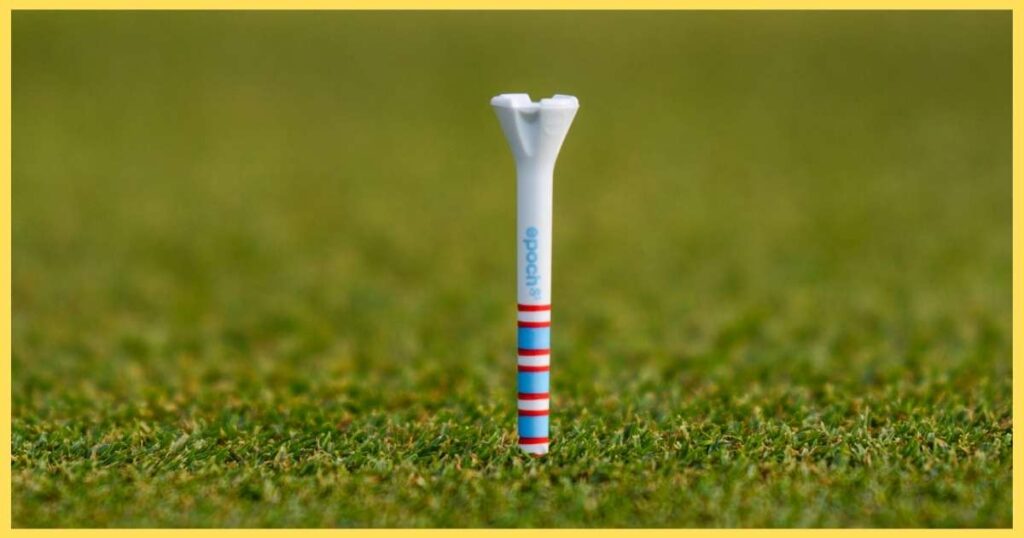
Each standard golf tee size measures 2.125 inches long. Put two together and you get 4.25 inches, making them handy items similar to 4 inches for quick references.
Golfers obviously have these in bulk, but they’re also sold in sporting goods stores year-round. The wooden ones and plastic ones both stick to similar dimensions. The height matters for golf play, so manufacturers keep these measurements pretty consistent.
Non-golfers might not have these lying around, but they’re worth keeping a couple in your toolbox specifically for measurement purposes. They’re cheap and don’t take up any space.
11. Tennis Ball Diameter

The official tennis ball diameter measures 2.6 to 2.7 inches across. So a tennis ball by itself doesn’t hit 4 inches, but it gets you about two-thirds of the way there.
If you stack two tennis balls, you’re looking at around 5.3 inches total, which overshoots our target. However, the single ball diameter makes a great reference for standard size objects in the 2.5 to 3 inch range. Tennis balls are everywhere in sports closets and garages.
The fuzzy covering adds maybe a millimeter to the measurement, but for practical purposes, calling it 2.7 inches works fine for real life examples of 4 inches comparisons.
12. Baseball Ball
A regulation baseball diameter falls between 2.86 and 2.94 inches. That puts it solidly under 3 inches, so one baseball doesn’t quite make it to 4 inches alone.
Baseball fans know these measurements by heart because the sport obsesses over exact specifications. Major League Baseball has strict rules about ball dimensions. For common length references, a baseball works great for anything in that just-under-3-inches range.
If you need exactly 4 inches using baseballs, you’d need about 1.4 balls, which isn’t practical. But knowing the baseball diameter helps with lots of other size estimations.
13. Toilet Paper Roll Width

The standard toilet paper roll diameter is right at 4 inches for most brands. Finally, something that actually hits our target measurement perfectly without math or stacking.
Every bathroom has these, making them incredibly accessible household size comparison tools. The cardboard tube inside also measures close to 4 inches across. Major brands like Charmin and Scott stick to this dimension religiously.
This is honestly one of the most reliable daily life measurement tools you’ll find because manufacturers worldwide use similar sizing. Even cheap store brands match this measurement pretty consistently.
14. Half of a Standard Brick
A full standard brick dimensions measure is 8 inches long. Cut or break that brick in half and you’ve got your 4-inch reference, though obviously this isn’t portable.
Construction workers and DIY enthusiasts use this all the time for objects used for estimation on job sites. The brick’s standardization goes back over a century. US bricks, UK bricks, they all hover around these measurements with minor variations.
Half a brick also weighs enough to hold down papers or tarps, so it serves double duty as both a measuring tool and a paperweight. Pretty handy for outdoor projects.
15. Smartphone Screen Length

Most modern smartphone screen measurements fall between 3.5 to 4.5 inches for compact models. The iPhone SE and similar smaller phones have screens right around 4 inches diagonally, making them perfect portable references.
Older smartphone models from a few years back consistently hit that 4-inch screen size, which was considered the sweet spot for one-handed use. Even if your current phone is bigger, that old phone sitting in your drawer probably measures close to this length. The screen protectors sold for these phones also match these exact dimensions.
What makes phones especially useful for measuring objects without tools is that you’re literally never without one. Just pull it from your pocket and you’ve got an instant size reference. Tech companies spent years perfecting this 4-inch size because it balanced screen real estate with comfortable handling.
How to Measure 4 Inches Without a Ruler
Sometimes you just need to measure 4 inches without a ruler and work with what you’ve got. The key is memorizing two or three reliable objects that you always have access to.
I recommend starting with your wallet and a credit card since most people carry both daily. Learn your personal hand width too, even if it’s not exactly 4 inches. Once you’ve got these easy ways to measure inches down, you’ll be amazed how often they come in handy.
Keep a mental list of everyday objects for measuring that work for you specifically. Maybe you always have coins in your pocket, or perhaps you work in an office with endless paper clips and business envelopes. Use what’s naturally in your environment.
Frequently Asked Questions
What is 4 inches in centimeters?
4 inches equals 10.16 centimeters, a standard measurement useful in everyday objects and tools.
Which common items are 4 inches long?
Playing cards, credit cards, paper clips, erasers, wallets, and household items measure roughly 4 inches.
How can I measure 4 inches without a ruler?
Use everyday objects like a hand width, two credit cards, or four quarters as guides.
Are all 4-inch items exactly the same size?
No, sizes vary slightly; objects approximate four inches for quick, practical everyday measurements.
Why is knowing 4-inch measurements useful?
It helps estimate lengths, compare objects, and perform quick measurements without precise tools.
Conclusion
Understanding how big is 4 inches through everyday objects makes life so much easier. You’ve now got 14 reliable things that are 4 inches long that you can use anytime, anywhere.
From credit cards to toilet paper rolls, these common objects measuring 4 inches turn your entire house into a measurement toolkit. No more hunting for rulers or tape measures when you just need a quick estimate. The best part? These items don’t cost anything extra because you already own them.
Next time someone asks you “what does 4 inches look like”, you’ll have plenty of real examples to share. Start practicing with a few favorites and soon estimating this length becomes second nature.