
Picture this: you’re looking at something tiny, and someone says it’s 2 millimeters. Your brain freezes. How small is that exactly?
Here’s the quick answer: 2mm is about the width of a sesame seed on your burger bun. It’s roughly 0.08 inches, or the thickness of 20 sheets of regular printer paper stacked together. Small enough to need a closer look, but big enough to see without a magnifying glass.
Most people struggle with visualizing 2mm because we don’t think in millimeters daily. We see this tiny measurement everywhere though – in phone screens, jewelry, kitchen ingredients, and even bugs crawling across the counter. Once you know what to look for, you’ll spot 2mm size examples all day long.
This guide breaks down what does 2mm look like using stuff you already have around. No confusing tech talk. No ruler needed. Just real everyday items that measure 2mm you can touch and see right now.
How Many Inches Is 2mm?
Let’s clear up the millimeter to inch conversion confusion. 2mm equals 0.0787 inches. That’s less than one-tenth of an inch, which explains why it feels impossible to picture.
Think of it this way: if you split an inch into ten equal pieces, 2mm would be slightly smaller than one of those pieces. The metric to imperial conversion always trips people up because we’re used to quarters, halves, and whole inches.
Here’s a practical take: a credit card sits at about 0.03 inches thick. Stack almost three credit cards, and you’re at 2mm thickness. This 2mm in inches comparison helps when you’re shopping online and see measurements in different units.
What Is a Millimeter?
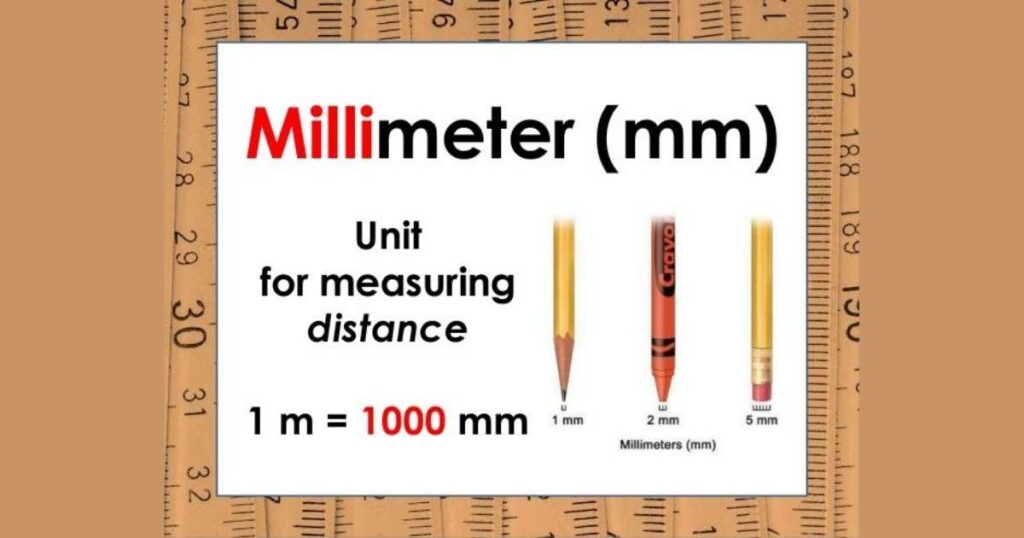
A millimeter is one-thousandth of a meter in the metric system units. Sounds tiny, right? It is. But it’s the go-to unit worldwide for precision measurements in science, engineering, and manufacturing.
Most countries outside the US use millimeters like we use inches. When a jeweler in Europe talks about a 2mm diamond, or a German car manual mentions a 2mm gap, they’re speaking the universal language of small-scale measurements.
Understanding small dimensions matters more than you think. That 2mm difference in your phone’s screen thickness? It affects durability. The 2mm gap in your door frame? It determines if cold air sneaks in during winter.
Visualizing 2mm: Why It Matters
Your eyes can absolutely see 2mm without tools. It’s not micro measurement level, but it’s small enough that most people misjudge it when guessing.
Real-life size comparisons help your brain lock in the size. Instead of abstract numbers, you think “oh, about as wide as that sesame seed I saw this morning.” This mental shortcut works way better than trying to imagine 0.0787 inches.
Professionals in jewelry, construction, and tech rely on accurate 2mm measurement daily. A jeweler setting a stone needs exact sizing. An engineer designing phone parts can’t be off by even 1mm. Visual estimation of mm becomes second nature when you practice with known references.
Informative Table: 11 Things That Are 2mm Long or Thick
Here’s your quick reference for objects that are 2 millimeters:
| Object | How It Compares to 2mm | Where You’ll Find It |
| Sesame Seed | Width matches perfectly | Burger buns, bagels |
| SD Card | Exact thickness | Camera, phone storage |
| 20 Paper Sheets | Stacked together | Any printer |
| Rice Grain | Width of long-grain rice | Your pantry |
| Small Gemstone | Round-cut diameter | Delicate jewelry |
| Paperclip Wire | About 2 wires side by side | Office drawer |
| Smartphone Glass | Multiple thin layers | Your phone screen |
| Guitar String | 2 medium strings combined | Music shop |
| Mechanical Pencil Lead | Roughly 3 leads together | Desk supplies |
| Tiny Ant | Body width of small species | Kitchen counter |
| Credit Card Edge | Close approximation | Your wallet |
Read Also: How Much Is 2 Ounces? 11 Most Common Things That Weigh 2 Ounces
11 Things That Are 2 Millimeters (mm) Long or Thick
Let’s dive into real everyday objects’ dimensions you can check yourself. These aren’t random guesses but actual 2mm thickness examples you can measure at home.
Each example gives you a different way to picture this size. Some you can hold. Some you can stack. All of them make 2mm comparison dead simple.
1. The Width of a Sesame Seed
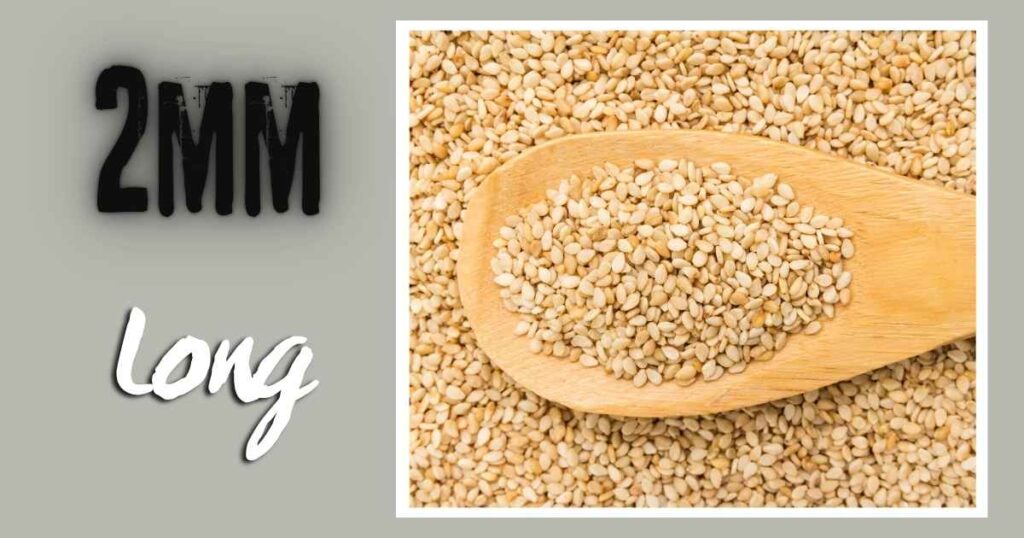
Grab a burger bun with sesame seeds. Pick off one seed and look closely. That width? That’s your 2mm right there.
Sesame seed width ranges from 1.8mm to 2.2mm, making it one of the best natural references. Hold it between your thumb and finger. You’ll feel something substantial but delicate.
Next time you’re making hummus or sprinkling seeds on a salad, you’re handling perfect 2mm size examples. Chefs use this size constantly without thinking about the actual measurement. The seed’s small enough to add texture without overwhelming your bite.
2. The Thickness of Two Stacked Dimes
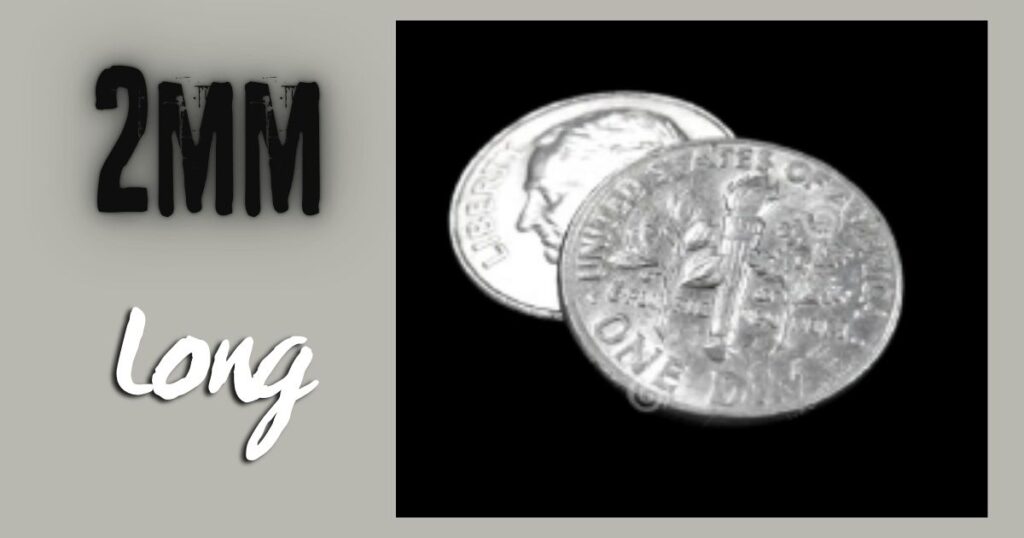
Here’s where we need honesty: two dimes actually stack to about 2.7mm. That’s close but not perfect for our 2mm comparison.
A single dime measures roughly 1.35mm thick. So while this household measurement reference gets you in the ballpark, it overshoots by about 35 percent. Still, if you’re eyeballing and need a quick check, two dimes work in a pinch.
The better trick? Use one dime plus a business card (about 0.35mm). That combo gets you closer to true 2mm. But honestly, most people just use the two-dime stack because it’s simpler to remember.
3. The Diameter of a Paperclip Wire
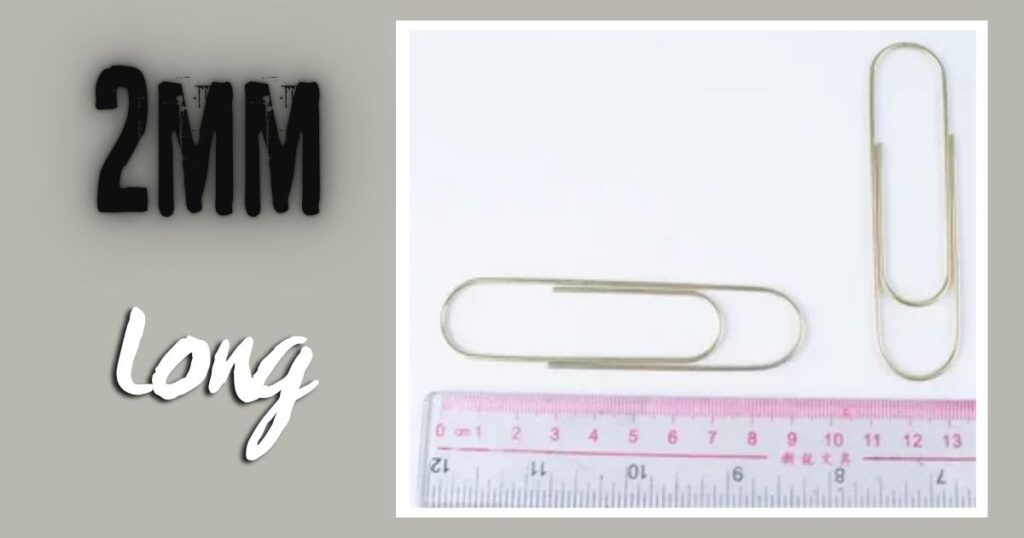
Standard paperclip wire runs about 0.9mm to 1mm thick. Line up two wires side by side, and you’re looking at roughly 2mm.
This works great in offices where paperclips scatter everywhere. Straighten one out, look at the wire thickness, and mentally double it. That’s your 2mm thickness reference without needing any measurement tools.
DIY measurement tips like this come in handy when you’re spacing items in a craft project or checking gap sizes. The paperclip trick beats hunting for a ruler every time.
4. The Width of a Grain of Rice
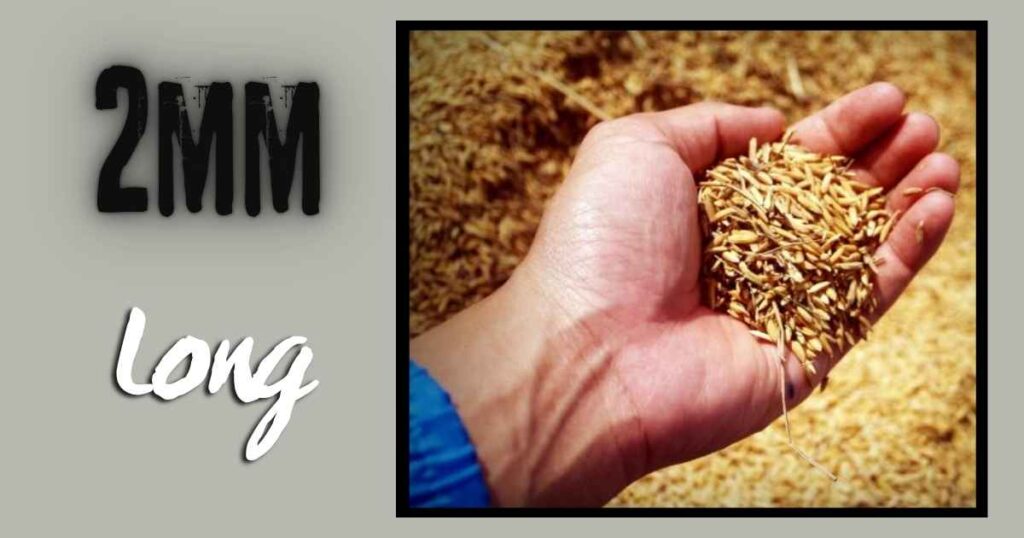
Long-grain rice like basmati or jasmine measures about 1.8mm to 2mm wide. The length runs 6mm to 8mm, so you’re looking at the narrow dimension here.
Pick up a single grain from your rice cooker. That skinny width across the grain is your 2mm reference. Rice grain measurement varies by type, but long-grain varieties hit this size consistently.
This everyday item lives in almost every kitchen. Whether you’re measuring for cooking precision or just need a size check, rice grains deliver a reliable comparison.
5. The Thickness of a Standard Guitar String
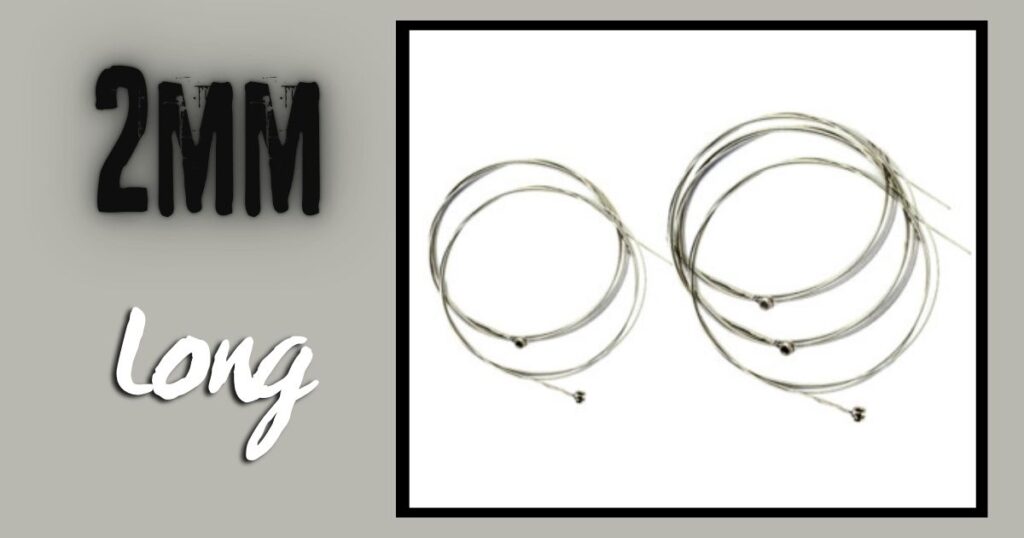
The high E string on an acoustic guitar measures about 0.25mm to 0.3mm. The thicker strings reach nearly 1mm. Pair two medium-gauge strings together, and you approach 2mm.
Musicians develop a feel for guitar string diameter through constant handling. That tactile memory helps estimate small sizes quickly. Even if you don’t play, music stores let you examine strings up close.
The precision in 2mm in technology and instruments matters more than people realize. A 2mm adjustment in string height changes how a guitar plays completely. That tiny shift affects everything from comfort to sound quality.
6. The Diameter of a Small Gemstone
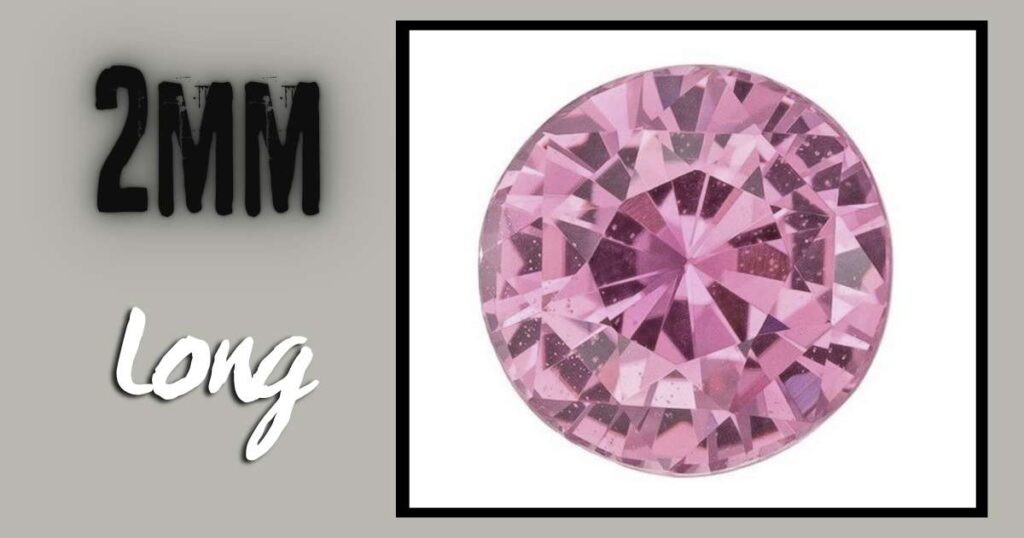
A 2mm gemstone in jewelry is delicate but visible. Jewelers use this size for accent stones in rings, earrings, and pendants where subtle sparkle matters.
A 2mm round diamond weighs roughly 0.03 carats. It’s perfect for minimalist designs and pave settings where multiple small stones create an overall effect. Jewelry stone sizes in mm determine price, appearance, and design possibilities.
Shopping for 2mm in jewelry? Picture a tiny dot that catches light beautifully without screaming for attention. This size works for people who want elegance without bold statements.
Read Also: 20 Common Things That Are 10 Inches Long
7. The Thickness of a Stack of 20 Sheets of Printer Paper
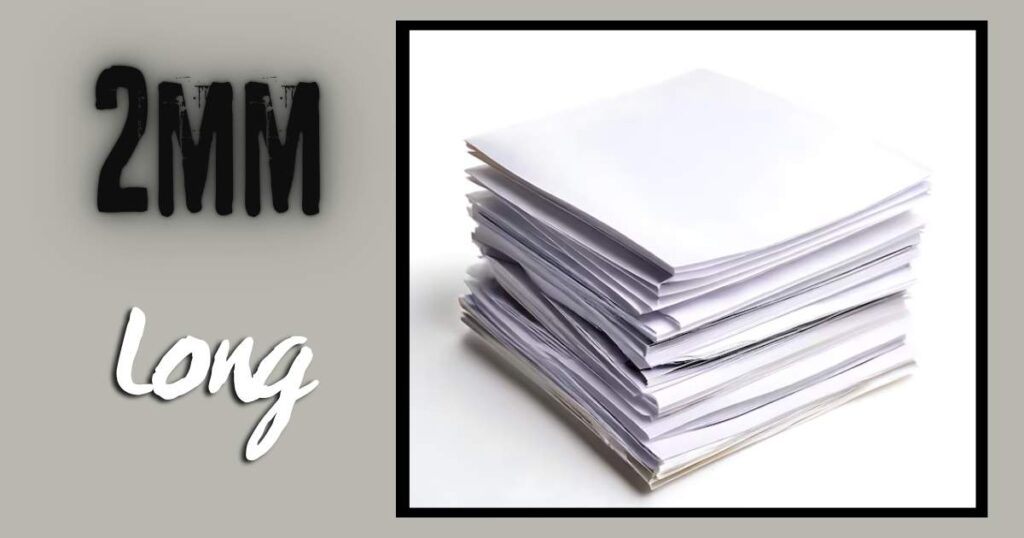
Regular printer paper runs 0.1mm thick per sheet. Stack 20 sheets, and you hit exactly 2mm. This is one of the most accurate paper thickness measurement comparisons available.
Walk to your printer right now. Count out 20 sheets. Feel that thickness between your fingers. That’s 2mm in your hands, no guessing required.
This visual estimation trick works anywhere you have paper access. Office workers, students, and teachers can verify this measurement instantly. It’s concrete, testable, and always available.
8. The Width of a Standard Mechanical Pencil Lead
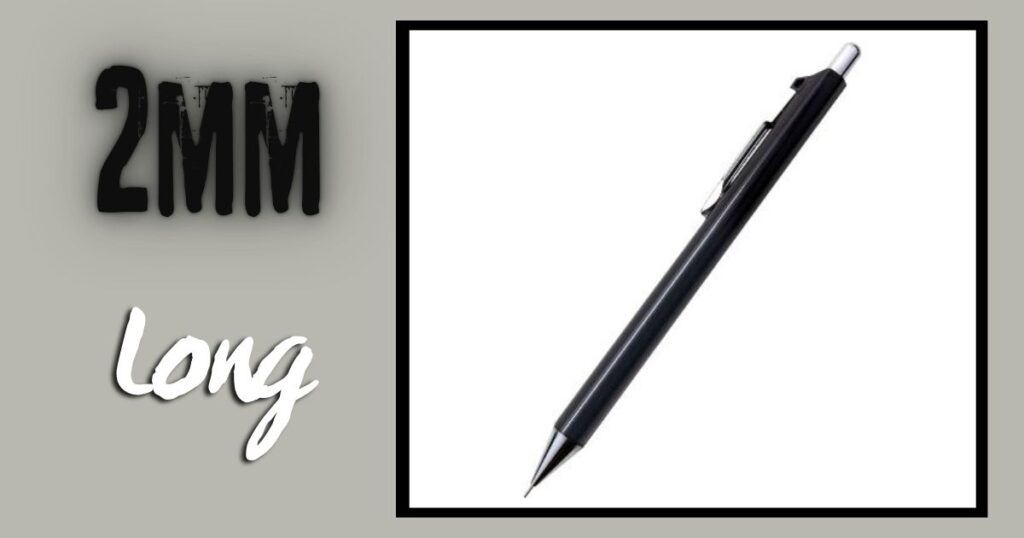
Most mechanical pencil lead size options come in 0.5mm, 0.7mm, or 0.9mm widths. Stack three 0.7mm leads side by side, and you get 2.1mm, basically 2mm.
Artists and drafters know lead thickness affects line quality. That 0.7mm lead feels different than 0.5mm when sketching. Triple that width mentally, and you’re visualizing 2mm through familiar drawing tools.
Technology component thickness in pencils seems trivial until you’re doing technical drawings where every millimeter counts. The precision matters for clean, consistent lines.
9. The Thickness of a Smartphone Screen’s Glass
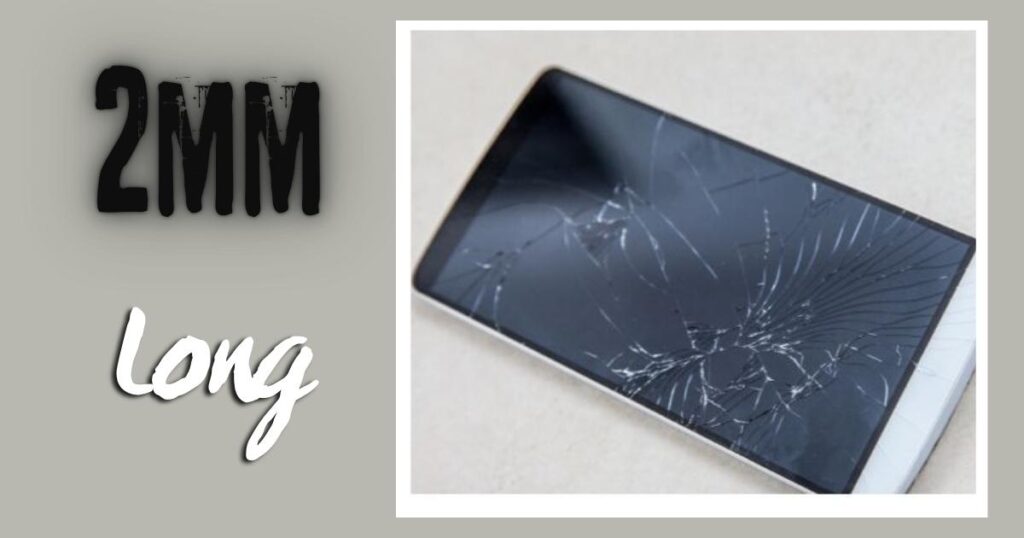
Modern smartphone screen thickness typically measures 0.5mm to 0.7mm per layer. Phones often use multiple layers for protection and touch sensitivity. Three layers combined approach 2mm.
This 2mm in technology example lives in your pocket. The thinness allows sleek designs while maintaining durability. Engineers balance protection against weight and size constraints.
Next time you’re protecting your phone screen, remember that glass is about one-third of our target measurement. Stack three layers mentally, and you’ve got 2mm of protection between you and a cracked display.
10. The Width of a Small Ant
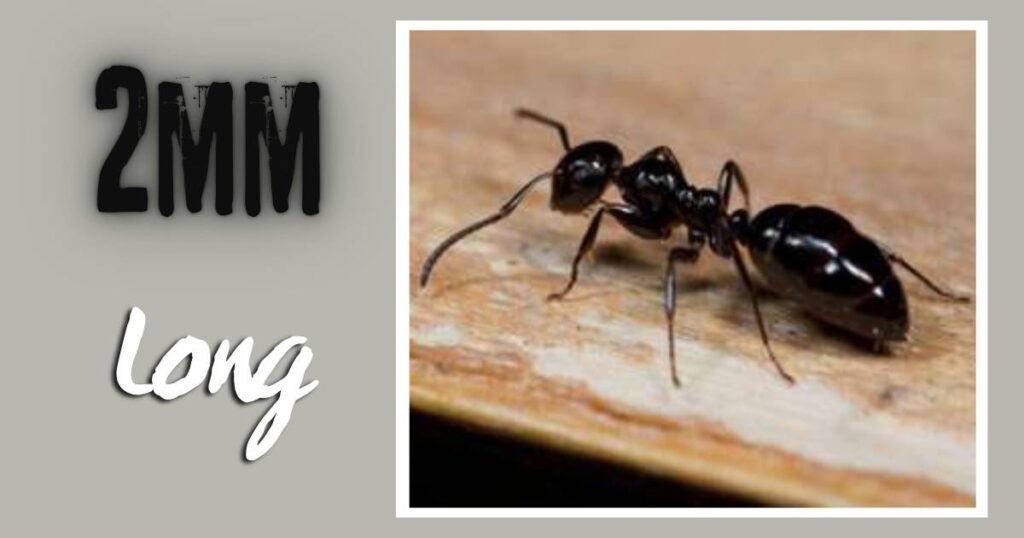
Tiny ant species like Argentine ants measure 1mm to 2mm across their body width. Watch one crawl across your counter, and you’re seeing 2mm in motion.
Nature’s 2mm example shows up everywhere. These insects might annoy you, but they’re perfect tiny measurement comparisons for understanding scale. Their body width falls right in our target range.
Biologists use medical measurement scale principles when studying insects this small. That 2mm difference determines species identification and behavior patterns.
11. The Thickness of a Standard SD Card
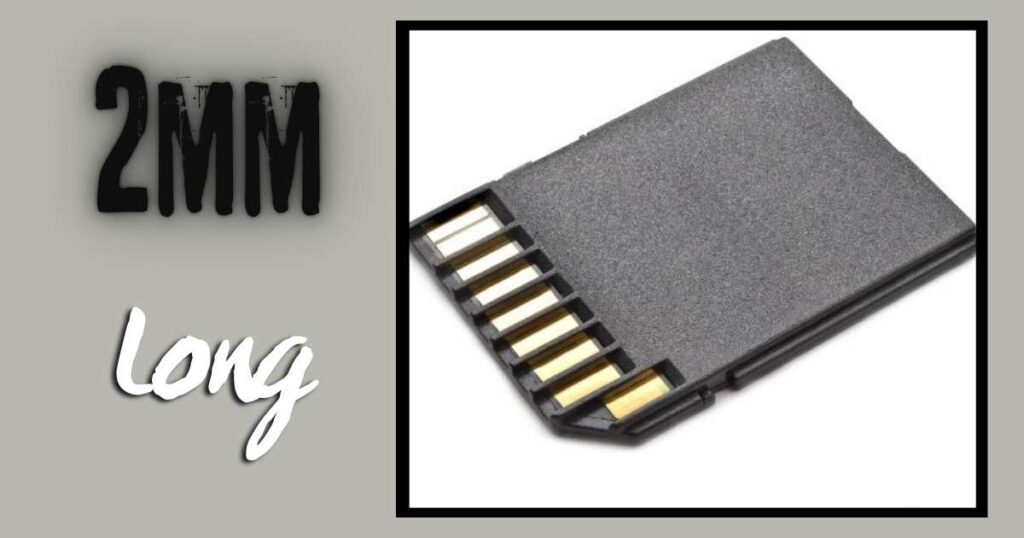
SD card dimensions include a precise 2mm thickness. This makes SD cards one of the absolute best references for visualizing 2mm accurately.
Hold one in your hand right now if you have a camera or older phone nearby. That thickness between your fingers is exactly what we’re talking about. No approximation needed.
The 2mm thickness allows SD cards to fit in slim devices while staying durable enough for repeated insertion and removal. Engineers nailed this size for maximum functionality in minimum space.
Read Also: 12 Common Things That Are 14 Inches Long
The Importance of 2mm in Various Fields
Engineering tolerances often specify plus or minus 2mm for parts that need to fit together. Go beyond that range, and components won’t assemble properly or might fail under stress.
3D printing wall thickness of 2mm provides strength without excessive material use. Thinner walls risk breakage. Thicker walls waste filament and add weight unnecessarily. The 2mm sweet spot balances both concerns.
Medical measurement scale uses 2mm as a critical threshold. A 2mm lesion on a scan might require follow-up imaging. A 2mm incision allows minimally invasive procedures. Precision at this level directly affects patient outcomes and recovery times.
Measuring 2mm: Tools and Techniques
Digital calipers nail precision measurements down to 0.01mm. They’re affordable and simple to use. Just close the jaws around your object and read the display. Perfect for verifying any of our examples.
Metric rulers with millimeter markings work fine for eyeballing 2mm measurement. Look for the small lines between centimeter marks. Each one represents 1mm, so 2mm is just two tiny marks.
Measuring without tools relies on the examples we covered. Keep a mental library of 2mm objects. When you need a quick check, compare against your sesame seed memory or paper stack reference.
Why 2mm Matters
Understanding small dimensions impacts daily decisions more than you’d expect. Buying a phone case? That 2mm thickness difference affects pocket fit. Choosing tile spacers? 2mm versus 3mm changes your entire floor’s look.
The significance of 2mm scales differently across contexts. In nanotechnology, 2mm is massive. In architecture, it’s negligible. Your perspective shifts based on what you’re working on.
Human vision easily detects 2mm differences when looking closely. This makes it perfect for design details that need precision but don’t require microscopes. It’s the sweet spot between “barely there” and “clearly visible.”
Practical Applications of 2mm
2mm daily life examples pop up constantly. Seam allowances in sewing often use 2mm for delicate fabrics. Dicing vegetables into 2mm cubes creates uniform cooking times and professional presentation.
Jewelry designers select 2mm in jewelry for chain thickness, stone settings, and bracelet widths. This size feels delicate without being fragile, feminine without being childish.
Woodworkers leave 2mm gaps between floorboards for expansion. Tile installers use 2mm spacers for grout lines. These everyday objects’ dimensions determine final appearance and longevity.
Fun Facts About 2mm
A micrometeorite measuring 2mm can damage satellites despite seeming insignificant. At orbital speeds, even tiny objects pack serious destructive energy.
Modern computer transistors measure far smaller than 2mm, but older technology from the 1960s used components this size. The evolution shows how miniaturization changed everything.
Five Patu digua spiders (the world’s smallest spider at about 0.37mm each) lined up equal roughly 2mm. Nature’s tiniest creatures make our target measurement look huge by comparison.
Common Mistakes When Estimating 2mm
People consistently overestimate 2mm size. Hold your fingers apart and guess 2mm. You’re probably showing 3mm to 5mm. Our brains aren’t wired for small-scale measurements accuracy.
Confusing 2mm with 2 centimeters happens surprisingly often. That’s a 10x error. 2cm equals 20mm, about the width of your pinky finger. Way different from our sesame seed reference.
Assuming all “small” objects measure about the same causes problems. A grain of sand, a sesame seed, and a peppercorn all look tiny, but they vary significantly. Train your eye with verified references.
How Technology Uses 2mm Perfectly
Smartphone screen thickness optimization relies on 2mm ranges. Too thin risks cracks. Too thick adds weight and bulk. Manufacturers engineer within tight tolerances to maximize durability and minimize size.
USB-C ports use precise 2mm-range measurements for connector fit. That perfect snug feeling when you plug in your phone? That’s engineering at the 2mm scale ensuring billions of insertions without wearing out.
Laptop hinges often incorporate 2mm components that balance strength against flexibility. These tiny parts determine whether your screen stays put or wobbles annoyingly during typing.
Estimating 2mm Without Tools
Stack those 20 sheets of paper thickness. This gives you a physical reference you can feel and see. Keep this mental bookmark for future comparisons.
Find an SD card from an old camera or phone. Measure it once with calipers to verify. Now you have a portable, accurate reference that fits in your wallet.
The sesame seed width trick works anywhere food exists. Bakeries, restaurants, and home kitchens all stock your reference material. It’s the most accessible 2mm comparison available.
Conclusion
2mm isn’t mysterious anymore. It’s that sesame seed width, the SD card thickness, or 20 paper sheets stacked up. Small but totally visible and measurable without fancy equipment.
These real-life size comparisons stick in your memory because they’re tangible. You’ve held these objects. You know their feel and appearance. That beats abstract numbers every time.
Next time someone mentions 2 millimeters, you’ll picture it instantly. Whether you’re shopping for jewelry, fixing something around the house, or just curious about dimensions, you’ve got reliable references locked in. That tiny measurement packs more significance than most people realize.